2026.02.01 (일) 05:26



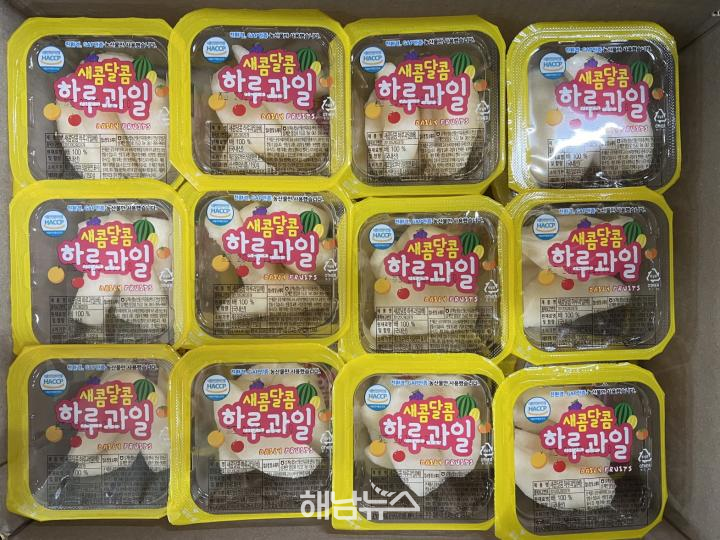 과일 간식 / 사진제공=전라남도 |
박충배 편집/칼럼/논설
전라남도의 어린이 식탁이 한층 더 건강해진다.
전남도는 2일부터 기존 ‘초등 돌봄교실 과일간식 지원사업’을 국비 사업으로 전환하고, 사업 명칭을 ‘어린이 과일간식 지원사업’으로 변경해 지원 대상을 늘봄학교 1~2학년까지 대폭 확대한다고 밝혔다.
이번 사업 확대는 어린이의 올바른 식습관 형성과 건강 증진, 그리고 국산 제철 과일 소비 촉진이라는 두 가지 목표를 동시에 담고 있다.
특히 교육·돌봄체계가 ‘늘봄학교’로 통합·개편되는 흐름에 맞춰 정책 대상과 구조를 함께 확장한 점에서 의미가 크다.
기존에는 초등 돌봄교실 이용 학생만 과일간식을 제공받았으나, 앞으로는 늘봄학교에 참여하는 초등 1~2학년 학생까지 포함된다.
대상 어린이들은 연간 30회, 1회당 150g의 국산 제철 과일을 정기적으로 공급받게 된다.
■ “도 일괄 → 시군 공모”… 지역 맞춤형 공급체계로 전환
사업 추진 방식에도 변화가 생긴다.
그동안 전남도가 공급업체를 일괄 선정해 왔던 방식에서 벗어나, 앞으로는 시·군 단위에서 공급업체를 공모·선정해 지역 여건에 맞는 공급체계를 구축하도록 했다.
이를 통해 지역 농산물의 특성을 살린 공급이 가능해지고, 물류 효율성도 높아져 보다 신속하고 안정적인 과일 공급이 이뤄질 것으로 기대된다.
지역 농가와 학교, 지자체를 잇는 지역 순환형 급식 구조가 한층 강화되는 셈이다.
■ 국비사업 전환으로 ‘지속성·안정성’ 확보
전남도는 이번 국비사업 전환을 통해 사업의 지속 가능성과 재정 안정성이 크게 높아질 것으로 보고 있다.
단 년도 사업이 아닌, 교육·돌봄 정책 변화에 맞춰 장기적으로 운영할 수 있는 기반을 마련했다는 평가다.
정원진 전남도 식량원예과장은 “어린이 과일간식 지원사업은 아이들의 바른 식습관 형성과 건강 증진은 물론, 지역에서 생산한 제철 과일의 안정적 소비 기반을 넓히는 중요한 정책”이라며 “전남의 우수한 과채류가 교육·돌봄체계와 연계되는 만큼, 생산자·학교·지자체가 함께 상생하는 구조가 정착되도록 적극 지원하겠다.”고 말했다.
■ ‘지역 생산–학교 소비’ 전남형 모델, 한 단계 진화
전남도는 지난해에도 365억 원 규모의 예산을 투입해 도내 2천199개 어린이집·유치원·초·중·고교에 친환경 농산물을 공급하며, 학생 건강 증진과 지역 농가 소득 기반 강화를 동시에 추진해 왔다.
이번 어린이 과일간식 지원 확대는 이러한 정책 흐름을 한 단계 더 진전시키는 조치로 평가된다.
‘지역에서 생산하고, 학교에서 소비하는’ 전남형 먹거리 순환 모델이 보다 촘촘해지면서, 아이들의 건강과 지역 농업의 지속 가능성을 함께 키우는 정책 효과가 기대된다.
[Jeonnam = Haenam News]
haenamnews@kakao.com
Park Chung-bae | Editor / Columnist / Editorial Writer
**“Jeonnam Children’s Fruit Is Changing”
Government-Funded ‘Children’s Fruit Snack Program’ Expanded to Grades 1–2 of Neulbom Schools**
The dining tables of children across South Jeolla Province are becoming healthier.
The Jeonnam Provincial Government announced that, starting on the 2nd, the existing Elementary After-School Fruit Snack Support Program has been converted into a nationally funded project and renamed the “Children’s Fruit Snack Support Program,” with eligibility expanded to include first- and second-grade students enrolled in Neulbom Schools.
This expansion simultaneously pursues two key goals: establishing healthy eating habits among children and promoting consumption of domestically produced seasonal fruit.
The initiative is particularly significant in that it aligns with the ongoing reorganization of Korea’s education and childcare system into the integrated Neulbom School model, expanding both the scope and structure of policy support accordingly.
Previously, fruit snacks were provided only to students attending elementary after-school care programs. Under the new framework, students in grades 1 and 2 participating in Neulbom Schools are now included.
Eligible children will receive domestically produced seasonal fruit 30 times per year, with 150 grams provided per serving on a regular basis.
■ From Province-Led Selection to Municipal Bidding
A Shift Toward Region-Tailored Supply Systems
The method of project implementation is also changing.
Rather than the provincial government centrally selecting suppliers as before, cities and counties will now select suppliers through public bidding, allowing supply systems to be tailored to local conditions.
This shift is expected to enable the use of locally characteristic agricultural products, improve logistics efficiency, and ensure faster and more stable fruit distribution. As a result, the regional circulation model linking local farmers, schools, and local governments will be further strengthened.
■ National Funding Secures Sustainability and Stability
Jeonnam Province expects that the transition to a national government-funded project will significantly enhance the long-term sustainability and financial stability of the program.
Rather than remaining a single-year initiative, the program is now positioned for long-term operation in line with evolving education and childcare policies.
Jung Won-jin, Director of the Jeonnam Provincial Food and Horticulture Division, stated:
“The Children’s Fruit Snack Support Program is a meaningful policy that not only fosters healthy dietary habits and improves children’s health, but also expands a stable consumption base for locally produced seasonal fruit.
As Jeonnam’s high-quality fruits and vegetables become more closely linked with the education and childcare system, we will actively support the establishment of a cooperative, win-win structure involving producers, schools, and local governments.”
■ The ‘Local Production–School Consumption’ Model Enters a New Phase
Last year, Jeonnam Province invested 36.5 billion won to supply eco-friendly agricultural products to 2,199 childcare centers, kindergartens, and elementary, middle, and high schools across the province—pursuing the dual objectives of improving student health and strengthening income foundations for local farmers.
The expansion of the Children’s Fruit Snack Program is viewed as a natural extension and advancement of this policy direction.
As the Jeonnam-style food circulation model—“produced locally, consumed in schools”—becomes more comprehensive, expectations are rising that the program will simultaneously enhance children’s health and the long-term sustainability of regional agriculture.
 해남뉴스 박충배 편집 및 논설위원 haenamnews@kakao.com