2026.02.01 (일) 05:24




 AI·에너지 국고사업, 해남·완도·진도에서 답을 찾아야 한다 / 사진제공=해남뉴스 |
【사설】
전라남도가 2027년 국고 건의 사업으로 총 377건, 4조 3천억 원 규모의 사업을 발굴·점검하며 대전환의 문턱에 섰다.
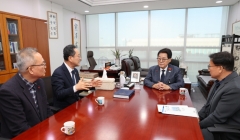
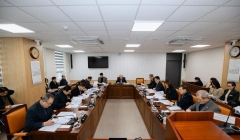
지난 23일 열린 사전보고회는 단순한 예산 나열의 자리가 아니었다.
인공지능(AI)과 에너지, 사회간접자본(SOC)을 축으로 민선 8기 시군 정책비전 투어와 연계해 중앙부처 설득 논리, 사업 타당성, 리스크를 촘촘히 점검한 사실상의 ‘전략 리허설’이었다.
이제 관건은 분명하다.
이 거대한 국고 구상이 어느 지역에서 어떻게 실현되는가다. 전남도가 말하는 ‘대한민국 AI·에너지 수도’는 선언이 아니라, 해남·완도·진도 같은 현장에서 검증될 때 비로소 힘을 갖는다.
해남 — AI·에너지 전환의 실험장이자 표준
해남은 이미 조건을 갖춘 지역이다.
광활한 부지, 풍부한 재생에너지 잠재력, 그리고 국가 AI·에너지 전략과 맞물린 솔라시도 기업도시라는 플랫폼이 있다.
이번 국고 건의 사업 중 분산에너지 특구형 인공지능 에너지 전환(AX) 자율운영 가상발전소(VPP) 플랫폼, 차세대 전력설비 상호운영 시험센터, 고효율·고 신뢰성 해저전력시스템 개발 실증은 해남에서 ‘개념 증명(PoC)’을 넘어 국가 표준 모델로 구현될 수 있다.
해남의 비전은 단순한 발전소 유치가 아니다.
에너지 생산–계통–저장–소비를 AI로 통합 운영하는 실증 도시, 함께 연결되는 에너지-데이터 기반 생활권이다.
AI 자율운영 조선소 혁신거점, 고전력 반도체 모듈 실증 평가 플랫폼 역시 해남을 산업 실증의 허브로 끌어올릴 카드다.
국고는 여기서 ‘시설’이 아니라 운영 역량을 키우는 데 투입돼야 한다.
 AI·에너지 국고사업, 해남·완도·진도에서 답을 찾아야 한다 / 사진제공=해남뉴스 |
완도 — 바다 위 에너지·수산의 AI 산업화
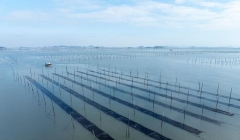
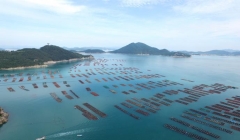
완도는 바다를 산업으로 전환할 수 있는 드문 지역이다.
국내 해역 특성을 고려한 소형 해상풍력단지 유지보수 특수선박(SOV) 국산화 개발, 해저전력시스템 실증은 완도 해역에서 곧바로 실증 가능한 과제다. 이는 단순 조선·장비 산업을 넘어 해상 에너지 O&M(운영·정비) 생태계를 만드는 일이다.
여기에 AI 수산가공 팩토리 구축, K-김 수출단지 조성이 결합되면 완도는 ‘1차 생산지’에서 고부가가치 수산 AI 산업지로 도약할 수 있다.
생산–가공–물류–수출 전 과정을 데이터로 연결하는 구조가 핵심이다. 국고는 항만·물류 인프라 개선과 함께 AI 품질관리·수요예측 같은 소프트 인프라에 집중돼야 한다.
진도 — 해양·농축산의 융복합 실증 섬
진도는 규모의 한계를 융복합으로 극복할 수 있는 지역이다.
AI 첨단 축산업 융복합 밸리 조성, 그린바이오 통합지원 시스템 구축은 진도의 농축산을 실험실이 아닌 현장 산업으로 전환할 기회다.
소규모 분산형 에너지와 AI 운영 기술을 결합해 자립형 농축산 모델을 만들 수 있다.
또한 진도 연안은 해저전력·해상풍력 유지관리 실증의 테스트베드로 적합하다.
‘작지만 완결된 실증’이 가능한 섬이라는 점에서, 진도는 국가사업의 리스크를 줄이는 안전한 실험지가 될 수 있다.
SOC는 연결이고, 연결은 전략이다
광주–화순 광역철도, 여수–순천 고속도로, 호남고속·경전선 연결 같은 SOC는 따로 놀아서는 안 된다.
에너지·AI 산업벨트와 사람·물류를 잇는 연결망으로 설계될 때 가치가 생긴다.
여수·광양항과 북극항로 구축 실증 역시 전남 서남권이 글로벌 에너지·물류의 전초기지가 될 수 있음을 보여준다.
마지막 점검의 기준은 ‘성과와 리스크’
전남도가 예고한 최종 전략 점검에서 가장 중요한 질문은 이것이다.
이 사업이 지역에서 어떤 성과를 만들고, 어떤 리스크를 줄이는가.
해남은 표준을, 완도는 산업화를, 진도는 융복합 실증을 책임지는 역할 분담이 명확해야 한다.
국고 4조 3천억은 크지만, 방향을 잃으면 흩어진다.
전남도가 말한 대로 비전은 정책과 예산으로 구체화돼야 한다. 그리고 그 정책은 반드시 현장 이름으로 불려야 한다.
해남·완도·진도에서 성공하지 못한 AI·에너지 전환은 전남 전체에서도 성공할 수 없다. 숫자보다 현장, 선언보다 실행이다. 지금이 바로 그 분기점이다.
 AI·에너지 국고사업, 해남·완도·진도에서 답을 찾아야 한다 / 사진제공=해남뉴스 |
[Jeonnam = Haenam News]
haenamnews@kakao.com
[Editorial]
The Direction of KRW 4.3 Trillion Is Not Numbers, but the Field
— AI and Energy National Projects Must Find Their Answers in Haenam, Wando, and Jindo
Jeollanam-do has reached the threshold of a major transformation as it identifies and reviews a total of 377 national government budget proposals worth KRW 4.3 trillion for 2027.
The preliminary briefing held on the 23rd was not a mere exercise in listing budgets.
Centered on artificial intelligence (AI), energy, and social overhead capital (SOC), and linked to the 민선 8기 (8th popularly elected administration) city and county policy vision tour, the meeting functioned as a de facto “strategic rehearsal,” meticulously examining persuasion logic for central ministries, project feasibility, and potential risks.
The key question is now clear.
Where, and how, will this massive national budget plan be realized? The vision Jeollanam-do calls “Korea’s AI and Energy Capital” gains real force not through declarations, but only when it is verified on the ground— in places like Haenam, Wando, and Jindo.
Haenam — An Experimental Ground and Standard for AI and Energy Transformation
Haenam already possesses the necessary conditions.
Vast land, abundant renewable energy potential, and the Solasido corporate city platform aligned with national AI and energy strategies.
Among the proposed national projects, the distributed energy special-zone AI energy transition (AX) autonomous virtual power plant (VPP) platform, the next-generation power equipment interoperability test center, and high-efficiency, high-reliability subsea power system development and demonstration can move beyond proof of concept (PoC) in Haenam to become national standard models.
Haenam’s vision is not merely about hosting power plants.
It is about becoming a demonstration city where energy production, grids, storage, and consumption are integrated and operated by AI—an energy-data-based living zone where industry and daily life are organically connected.
The AI autonomous shipyard innovation hub and high-power semiconductor module demonstration and evaluation platform also position Haenam as a hub for industrial verification. National funding here should focus not on physical facilities alone, but on building sustainable operational capacity.
Wando — AI Industrialization of Marine Energy and Fisheries
Wando is one of the rare regions capable of turning the sea itself into industry.
Projects such as the localization of specialized service operation vessels (SOVs) for maintenance of small offshore wind farms suited to Korean waters, and subsea power system demonstrations, can be immediately tested in Wando’s surrounding seas. This goes beyond shipbuilding or equipment manufacturing, laying the foundation for a comprehensive offshore energy operation and maintenance (O&M) ecosystem.
When combined with the AI seafood processing factory and the K-seaweed export complex, Wando can leap from a primary production base to a high value-added AI-driven fisheries industry hub.
The core lies in connecting production, processing, logistics, and exports through data. National funding should therefore focus not only on port and logistics infrastructure, but also on “soft infrastructure” such as AI-based quality control and demand forecasting.
Jindo — A Convergent Demonstration Island for Marine and Agri-Livestock Industries
Jindo can overcome the limits of scale through convergence.
The AI advanced livestock convergence valley and the green bio integrated support system offer an opportunity to transform Jindo’s agriculture and livestock sectors from laboratory concepts into real, on-site industries.
By combining small-scale distributed energy with AI operational technologies, Jindo can build a self-sustaining agri-livestock model.
In addition, Jindo’s coastal waters are well suited as a testbed for subsea power and offshore wind maintenance demonstrations. As an island capable of “small but complete demonstrations,” Jindo can serve as a safe experimental ground that reduces the risks of national-scale projects.
SOC Is Connection, and Connection Is Strategy
SOC projects such as the Gwangju–Hwasun metropolitan railway, the Yeosu–Suncheon expressway, and connections between the Honam Express Line and Gyeongjeon Line must not operate in isolation.
Their value emerges only when designed as networks that connect AI and energy industrial belts with people and logistics.
The Yeosu and Gwangyang ports, together with Arctic shipping route demonstration projects, also show the potential for the southwestern Jeonnam region to become a forward base for global energy and logistics.
The Final Standard of Review: Performance and Risk
In the final strategic review announced by Jeollanam-do, the most important question is this:
What tangible results will these projects deliver locally, and what risks will they reduce?
Haenam must take responsibility for setting standards, Wando for industrialization, and Jindo for convergent demonstration—clear role sharing is essential.
KRW 4.3 trillion is a massive sum, but without direction, it will disperse.
As Jeollanam-do has stated, vision must be concretized through policy and budget—and those policies must be called by the names of real places.
If the AI and energy transition does not succeed in Haenam, Wando, and Jindo, it cannot succeed in Jeollanam-do as a whole.
The field matters more than figures, execution more than declarations. This is the decisive moment
 해남뉴스 박충배 편집 및 논설위원 haenamnews@kakao.com